0
What Are Peptides: Everything you need to know 2024 Guide
Welcome to our comprehensive guide on peptides! These small yet powerful molecules comprising amino acid chains are crucial in biological processes and scientific research. Each peptide is unique, defined by its specific amino acid sequence. In the laboratory, peptides are synthesised with meticulous precision, enabling researchers to create specific peptides with desired properties for various studies and applications.
What Do Peptides Look Like?
Peptides, in their pure form, usually appear as white crystalline powders. Their appearance, however, can vary based on their specific chemical composition. Some peptides may even change colour or form when dissolved in different solvents. Since peptides are microscopic, we observe a collection of these molecules clustered together.
Usually, a peptide will be in a small vial, lyophilised, a frozen, dried powder that can look like a solid puck. You can learn more about the lyophilised stages here.
What Do Peptides Do?
In biological systems, peptides perform an array of functions. They act as hormones, neurotransmitters, and modulators of the immune system. These molecules, extensively used in scientific research for their diverse functionalities, are vital in regulating biological processes.
Some examples of Peptides are:
- Collagen Peptides: Collagen peptides, studied in cosmetic research contexts for their structural role in connective tissue biology.
- Casein Peptides: Casein peptides, released during the digestion of milk and dairy products, are studied in immunological and cardiovascular research contexts.
- Gluten Peptides: Found in wheat and other grains, gluten peptides can be problematic for people with gluten sensitivities or celiac disease.
- Keratin Peptides: Commonly found in hair care products, keratin peptides are studied for their structural properties in hair biology research.
- Soy peptides: Derived from soybeans, they actively feature in many food products and supplements and are studied for their molecular properties in food science research.
- Peptide hormones: Insulin, a peptide hormone, is a well-known example of a naturally occurring peptide hormone involved in metabolic signalling pathways.
- Bioactive Peptides: Fermented foods like yoghurt, kefir, and certain types of cheese contain bioactive peptides. These peptides are of interest in food science and biochemistry research.
- Peptidomimetics: These are synthetic peptides in some pharmaceuticals designed to mimic natural peptide structures for scientific study.
- Research Peptides: Synthesised in laboratories for scientific studies, research peptides are pivotal in advancing our understanding of biological processes and disease mechanisms. Research peptides like BPC-157, TB-500, and Epitalon are studied for their specific molecular interactions in laboratory settings.
Peptides in Skin Care Products
The skincare industry reveres peptides for studied for their structural role in dermatological research. They are used in cosmetic research for their structural interaction with skin cell models. Brands like Niod, The Ordinary, Rewnd and No7 use Peptides like GHK-CU and Matrixyl. The peptides used in skincare are specifically designed for safety and efficacy, differentiating them from those used in laboratory research.
Peptides in Supplements
Dietary supplements often contain peptides marketed with various claims. It is important to note that many of these claims lack robust scientific evidence. Research peptides sold by UK Peptides are strictly for laboratory use and are not supplements.
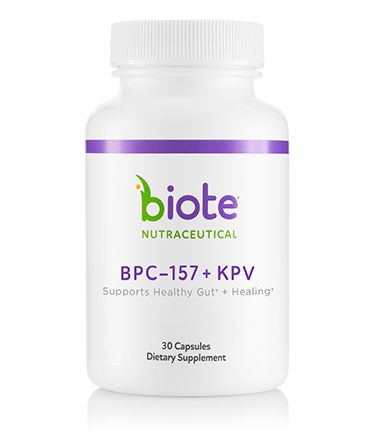
Recently, there has been a surge in BPC-157 capsules. However, vendors often misrepresent these products. BPC-157 has not been tested for sale as a food supplement and remains a research product. Due to restrictions on the active ingredient, the current market offerings might not contain any active BPC-157. It’s advisable to verify the contents before making a purchase.
Peptides in Research
Research peptides, synthesised for specific studies, are at the forefront of medical and scientific advancements. These peptides are vital in experimental settings, helping scientists understand biological processes and molecular interactions at the cellular level.
Important Note: Research peptides, although promising, are strictly for scientific and developmental use. Manufacturers do not intend them as drugs, food supplements, cosmetics, or any other application on humans or animals. Their use should always adhere to ethical and legal guidelines.
Frequently Asked Questions About Peptides
- Are peptides legal in the UK? Yes, peptides are legal in the UK for research and scientific purposes. They must be used within strict regulatory standards, ensuring their use is safe and ethical.
- Are peptides safe? Peptides are well-characterised compounds when handled appropriately in research settings in controlled environments like scientific research or skincare products that adhere to established safety standards. The safety of peptides in other applications, like supplements, depends on compliance with rigorous testing and regulatory standards.
- Are peptides steroids? No, peptides are not steroids. While both are significant in the biological realm, they differ in structure, function, and use. Peptides comprise amino acids, whereas steroids are a lipid derived from cholesterol. Their roles in the body and research are distinctly different.
- Can peptides be studied in oral formulations? The oral bioavailability of peptides is a topic of active research. Most peptides break down in the digestive system, which is why research-grade peptides are typically supplied in lyophilised form for laboratory reconstitution.
- Do peptides work? Peptides are actively studied across many scientific disciplines. Their molecular interactions with cellular receptors and signalling pathways make them valuable research tools in biochemistry and molecular biology.
- Are peptides studied in reproductive biology? Certain peptides, such as Kisspeptin 10, are studied in reproductive biology research contexts. All research peptides from UK Peptides are for laboratory use only and are not intended for human use.
- How do peptides work? Peptides interact with cellular receptors and signalling pathways. They can bind to specific receptors on cell surfaces, which is why they are widely studied in molecular biology and biochemistry research.
- Think of a peptide as a key that, upon finding its specific receptor, unlocks it to produce a targeted result.
- How are peptides formed and made? Peptides naturally form in the body through protein biosynthesis, linking amino acids together in a specific sequence. In the lab, scientists synthetically create peptides through solid-phase peptide synthesis, which enables precise control over the peptide’s composition and sequence.
Concluding Thoughts
The world of peptides is a rapidly evolving and fascinating field with vast implications for medicine, skincare, and beyond. Our exploration of peptides, from their formation to diverse functionalities and applications, highlights their integral role in scientific advancements and everyday life. As research continues, we can expect to uncover even more about the potential and capabilities of these remarkable molecules. We collaborate actively with numerous research centres and universities at UK Peptides.